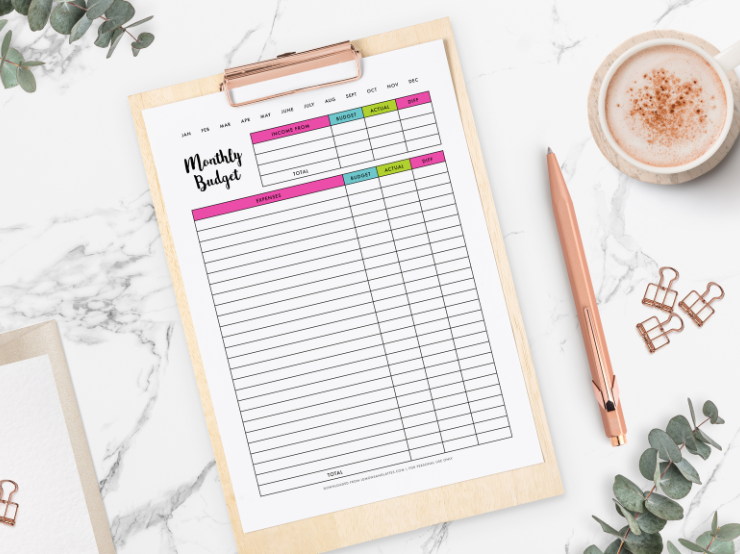
Creating a monthly budget is one of the best ways to take control of your finances. A well-planned budget helps you track income and expenses, eliminate debt, and save for the future. Here’s a step-by-step guide to building a budget that actually works.
Step 1: Calculate Your Monthly Income
Start by determining how much money you bring in each month. Include all income sources such as your salary, side hustles, freelance work, or rental income. Use your after-tax income for an accurate budget.
Step 2: List Your Fixed and Variable Expenses
Break down your expenses into two categories:
- Fixed expenses: Rent/mortgage, insurance, car payments, loan repayments.
- Variable expenses: Groceries, entertainment, dining out, travel, and shopping.
Step 3: Set Spending Limits for Each Category
Allocate a portion of your income to each expense category. Consider using the 50/30/20 rule:
- 50% for necessities (rent, utilities, groceries, transportation).
- 30% for wants (entertainment, hobbies, dining out).
- 20% for savings and debt repayment.
Step 4: Track Your Spending
Use budgeting apps like Mint, YNAB, or a simple spreadsheet to track your daily expenses. This helps ensure you stay within your budget and identify areas where you might overspend.
Step 5: Adjust as Needed
Your budget isn’t set in stone. Review it regularly and make adjustments based on changes in income, unexpected expenses, or financial goals. If you notice overspending in one category, cut back in another.
Step 6: Build an Emergency Fund
Unexpected expenses can throw off your budget. Aim to save at least three to six months’ worth of expenses in an emergency fund to cover sudden financial setbacks.
Step 7: Stay Consistent and Review Monthly
Budgeting is a habit that requires consistency. Set aside time at the end of each month to review your spending, savings progress, and financial goals. Adjust your plan as needed to stay on track.
Final Thoughts
A realistic monthly budget helps you manage your money efficiently and achieve financial stability. By following these steps, you’ll be able to save more, reduce debt, and improve your financial well-being. Start today and take charge of your finances!